
Is Dental Tourism in India Safe? Complete Safety Analysis (2026)
- Comprehensive analysis of dental tourism safety in India.
Sterilisation protocols, dentist qualifications, implant traceability, accreditations, emergency support, and how to choose a safe clinic.


By Clinical Team · 5 Apr 2026 · 13 min read
Introduction: Safety Anxiety Is Valid and Answerable
It is the first question every international patient asks — and it deserves an honest, detailed answer backed by evidence.
Dental treatment at India's top-tier clinics is safe, well-regulated, and often delivered to standards that meet or exceed what you would find at home. But the gap between the best and the rest is wide. Choosing a budget clinic or an unvetted provider is risky anywhere — Delhi or Auckland.
This guide walks you through: (1) India's regulatory framework, (2) sterilisation and infection control practices at top clinics, (3) surgeon qualifications and training, (4) implant traceability and material verification, (5) accreditation systems, (6) emergency protocols and complication management, (7) what happens if something goes wrong, and (8) how to identify safe vs risky clinics.
India's Dental Regulatory Framework
India has a formal system for regulating dental practice, though it differs from NZ/Australian regulation.
Dental Council of India (DCI): Established by statute, the DCI maintains a register of all practising dentists and enforces professional standards. All dentists must hold a BDS (Bachelor of Dental Surgery) degree — a 4-5 year postgraduate programme from an accredited dental college. The BDS curriculum covers oral anatomy, pathology, surgery, prosthodontics, orthodontics, and clinical practice, and requires both theoretical examination and practical clinical assessment.
Specialist qualification (MDS): Dentists pursuing specialization complete a 3-year postgraduate MDS (Master of Dental Surgery) degree in fields like Oral Surgery, Prosthodontics, Periodontics, Orthodontics, or Conservative Dentistry. This is equivalent to specialty residency training in the US or Australia. An MDS-qualified implant surgeon has 7+ years of formal training (BDS + MDS + clinical experience).
Continuing education: Licensed dentists must attend continuing education to maintain registration. This is monitored by the DCI.
Practical reality: India's system is less prescriptive than NZ's (which has more detailed regulatory oversight), but it ensures baseline qualifications and accountability. Top Indian dental surgeons exceed minimum standards substantially.
Sterilisation and Infection Control Protocols
Infection control is the foundation of safe dentistry. At top Indian clinics, sterilisation protocols match or exceed Western standards.
Multi-stage sterilisation process: (1) Enzymatic pre-cleaning: Instruments are immediately placed in enzymatic solution to dissolve biofilm and organic material. This pre-cleaning is critical — no autoclave can sterilize dirty instruments. (2) Ultrasonic cleaning: Instruments undergo ultrasonic agitation to remove debris from hard-to-reach surfaces. (3) Packaging: Cleaned instruments are wrapped in special surgical-grade pouches that are permeable to steam but impermeable to bacteria. Chemical indicators (colour-changing strips) are placed inside to verify sterilisation was achieved. (4) Autoclave sterilisation: Pouches are autoclaved at 121°C, 15 PSI for 15-30 minutes depending on load. This kills all bacteria, viruses, and spores. (5) Chemical/biological indicators: Weekly biological indicators (spore strips) are autoclaved to verify the autoclave itself is functioning. Results are documented and stored.
Single-use clinical materials: Over 90% of clinical materials are single-use and disposed after patient treatment: gloves, masks, bibs, instruments (some single-use burs/tips), suction tips, saliva ejectors. Reusable items (handpieces, mirrors, scalers, burs) are sterilised between each patient.
Sterile pouches opened in front of patients: At advanced clinics, sterile pouches containing instruments are opened in the operatory in front of the patient. This provides assurance that the instruments have not been handled or contaminated post-sterilisation.
HEPA air purification: Top operatories have HEPA (High-Efficiency Particulate Air) filtration systems that remove 99.97% of particles from the air. This reduces airborne contamination, especially important post-COVID.
RO-purified water: Handpiece water lines (which irrigate during drilling) are supplied with RO (reverse osmosis) purified water, not municipal water. This prevents bacterial contamination in cooling irrigation.
Comparison to ES standards: ES dentists follow CDC (Centers for Disease Control) guidelines for sterilisation. India's top clinics follow the same CDC guidelines, ADA (American Dental Association) standards, and BDA (British Dental Association) protocols. There is no meaningful difference in sterilisation standards between a top Indian clinic and a top Auckland clinic.
Surgeon Qualifications and Training Verification
The person placing your implants matters enormously. Verify qualifications carefully.
BDS + MDS requirement: Any dentist placing implants should hold both BDS and MDS. If a clinic offers implants but the surgeon only has a BDS (no specialist qualification), this is a red flag. BDS does not provide adequate training for complex implant surgery.
Specialty training: Implant surgeons ideally have post-MDS fellowship training in implantology. Many top Indian surgeons completed 1-2 year fellowships after their MDS, often in the US, Germany, or Switzerland. Ask your surgeon: 'Where did you complete your MDS? Did you complete implant fellowship training? Where? For how long?'
Years of experience: Ask how many implants the surgeon has placed. Experienced surgeons (1000+ implants placed) have seen and solved edge cases. A surgeon with 100 implants experience is competent but less tested.
Board certification: Some surgeons pursue board certification from organizations like AAID (American Academy of Implant Dentistry) or ICOI (International Congress of Oral Implantologists). These are voluntary but indicate commitment to standards beyond minimum.
Verification method: Reputable clinics provide: (1) Surgeon name, photograph, and credentials, (2) Proof of MDS qualification, (3) CV or resume showing training and experience, (4) Verifiable references (other surgeons or international patient testimonials). If a clinic refuses to provide this information, avoid them.
Implant Traceability: Knowing Exactly What You Get
Top clinics use only brand-name implants from globally recognized manufacturers: Straumann (Swiss), Nobel Biocare (Swedish), or Osstem (Korean). Each implant has a serial number and lot number.
Implant passport documentation: You should receive a written document (implant passport) containing: (1) Implant brand and exact model, (2) Serial number, (3) Lot number, (4) Abutment type and material, (5) Date of placement, (6) Surgeon name, (7) Tooth position. This document is yours to keep. Store it with your medical records.
Why this matters: If your implant ever fails or needs service 10-15 years later, the dentist needs to know the exact brand and model to source compatible replacement parts. If you lose documentation, finding compatible abutments becomes difficult and expensive. Lifetime implant passport maintenance is important.
Counterfeit risk (rare but real): Counterfeit implants exist. Top clinics source from authorized distributors and verify authenticity. Budget clinics sometimes buy implants from grey-market distributors or counterfeiters (usually caught during quality control, but not always). This is rare at legitimate hospitals but possible. Ask your clinic: 'Who are your authorized implant distributors? Can you show me the invoices proving authenticity?'
Storage and handling: Implants are sterile and stored in sealed packaging. When your surgery date arrives, the clinic should open the sterile package in front of you. If a clinic reuses opened packages or opens implants days before surgery, this is a red flag.
Accreditation and Certification Systems
India uses multiple accreditation systems. Understanding them helps you evaluate clinic legitimacy.
ISO 9001:2015: This is a quality management system standard for manufacturing and service organizations. Clinics that hold ISO 9001:2015 certification have undergone independent audit confirming they have documented processes, staff training protocols, quality controls, and continuous improvement systems. ISO certification requires annual re-audits. It is substantial but does not guarantee medical outcomes (it guarantees process standardization).
NABH (National Accreditation Board for Hospitals & Healthcare Providers): NABH is India's equivalent to JCI (Joint Commission International, the gold standard for hospital accreditation). NABH accreditation requires rigorous auditing of clinical outcomes, infection rates, patient safety protocols, staff competency, and financial transparency. NABH accreditation is prestigious. Only the top 5-10% of Indian clinics are NABH-accredited.
AAID and AACD compliance: Some Indian clinics state they follow American Academy of Implant Dentistry (AAID) or American Academy of Cosmetic Dentistry (AACD) protocols. This means they adhere to these organizations' published standards, though they may not hold formal membership.
Practical hierarchy: NABH > ISO 9001:2015 > AAID/AACD protocol compliance. If a clinic is NABH-accredited, they are among India's best. If they are ISO 9001:2015-certified, they have quality systems in place. If they just claim protocol compliance without certification, they have less credibility.
Emergency Protocols and Complication Management
What happens if something goes wrong during surgery or post-op?
In-clinic emergency: Top clinics have emergency protocols for rare intra-operative complications (nerve injury, excessive bleeding, implant malpositioning). The clinic should have: (1) Trained anesthesiologist or trained assistant who can manage airway emergencies, (2) Emergency medications and equipment, (3) Clear escalation plan (when to refer to hospital emergency), (4) Documentation of incident and outcome.
Post-operative complications (infection, swelling, pain): Most post-op issues are managed at the clinic. Severe infection requiring IV antibiotics or hospital admission (rare, <1% of cases) is managed by hospital referral. Top clinics have partnerships with nearby hospitals for urgent care if needed.
Complication follow-up: If something goes wrong, your clinic should provide corrective treatment. At top clinics, this is done at no additional charge if the complication was their responsibility (surgical error, infection from clinic fault, etc.). If the complication is patient-caused (non-compliance with aftercare, trauma), the patient may bear costs.
Remote complication management: If you are back home in ES and develop infection or implant pain months later, the clinic should: (1) Consult with you via video, (2) Coordinate with your local dentist, (3) Either manage remotely (antibiotics, adjusted aftercare) or arrange your return to India for definitive treatment (often free if clinic's responsibility).
Lifetime warranty: Many top Indian clinics offer lifetime warranty on implants. If an implant fails due to manufacturing defect or integration failure, replacement is free, even 10+ years later.
What Happens If Something Goes Wrong? Real Scenarios
Scenario 1: You develop infection within 2 weeks of returning home. Your local dentist takes an X-ray and sends it to the Indian clinic. The clinic reviews and recommends antibiotics, elevated head position, and dietary changes. Video consultation occurs. If infection resolves with antibiotics, you avoid return travel. If infection persists, the clinic arranges your return (flight paid by clinic) for incision and drainage or implant removal. Duration: 3-5 days in Delhi, flights covered by clinic.
Scenario 2: At month 6 post-op, an implant is mobile (not integrated). X-ray shows bone is not forming around the implant. This is implant failure (2% risk, rare). The clinic removes the failed implant and places a new one. Bone grafting may be needed first. Cost: Generally covered by clinic because this is their responsibility (they placed the implant; if it failed, they replace it).
Scenario 3: At year 3, a crown chips from trauma (you fell and hit your mouth). This is patient fault, not clinic fault. The crown is repaired or replaced (cost borne by patient, typically EUR $300-600). The implant itself is unaffected and stable.
Scenario 4: At year 8, an implant shows perioral bone loss in an X-ray (slow bone resorption, not failure yet, but concerning trend). This requires assessment. Video consultation with the clinic assesses whether intervention is needed (sometimes adjustment to prosthetic force distribution stops the trend). If intervention is needed, you return to India for 2-3 days. Cost typically covered by warranty.
Pattern: Most complications are manageable remotely. Urgent complications (severe infection, implant mobility) require return travel, which is typically paid by the clinic if their responsibility.
Red Flags vs Green Flags: How to Identify Safe vs Risky Clinics
Red flags (avoid these clinics): (1) No named surgeon — clinic lists 'Dr. Dental Expert' but no real name or background, (2) Stock photos instead of real clinic photos — website shows generic dental images, not the actual operatories, (3) Vague 'premium implants' without naming brands — they hide the brand because it is not Straumann/Nobel/Osstem, (4) No pricing upfront — they ask you to call or visit before quoting (price increases once you are committed), (5) High-pressure sales tactics — urgent 'limited time' discounts or claims your treatment is urgent, (6) No aftercare protocol — they do not explain what happens after you return home, (7) No documentation of sterilisation — they refuse to explain sterilisation procedures, (8) Claims to be 'the cheapest' — clinics competing on price cut corners (safe clinics compete on quality), (9) Testimonials that seem fake — videos with actors rather than real patients, or no verifiable way to confirm patient identity, (10) No response to your questions — clinic avoids detailed questions or gives vague answers.
Green flags (choose these clinics): (1) Named surgeons with credentials and photos — you can see who will treat you, (2) ISO 9001:2015 or NABH certification — publicly stated and verifiable, (3) Named implant brands — they explicitly state Straumann, Nobel, or Osstem, (4) Transparent pricing with itemized quote — you know exactly what is included before committing, (5) Detailed aftercare protocol — they explain 1-year follow-up schedule, warranty terms, and emergency support, (6) Documented sterilisation protocols — they explain their multi-stage sterilisation process without hesitation, (7) Real clinic photos and videos — you see actual operatories, staff, and patient testimonials, (8) Implant passport system — they document your implant details and provide you with copies, (9) Video testimonials from verifiable international patients — testimonials show real patients who can be contacted, (10) Responsive and detailed communication — they answer questions thoroughly and engage with your concerns.
Clinical Outcome Data: What the Evidence Shows
Research on dental tourism outcomes is limited, but available studies are reassuring.
2025 British Dental Journal review: A published review examined outcomes in dental tourism patients across multiple countries (India, Thailand, Mexico, Poland). Key finding: 'No objective evidence that patients receiving treatment abroad experience worse outcomes compared to home-country treatment at comparable clinic tiers.' In other words, when you compare top-tier clinics, outcomes are similar regardless of location.
Implant success rates: Studies of implant outcomes in India show 95-98% success rates at 5-year follow-up (matching global averages). Periimplantitis rates (bone infection around implants) are 2-5% (matching global averages). These are published in peer-reviewed journals and show that Indian top clinics match global standards.
Complication rates: Major complication rates (nerve injury, excessive bleeding, implant failure) are <3% in top clinics globally. India's top clinics report similar rates. Budget clinics have higher rates (5-10%), which is true globally.
Patient satisfaction: Post-treatment surveys of dental tourism patients show 85-90% satisfaction with outcomes and willingness to recommend. This suggests that at least 85-90% of patients achieve their expected results.
Implication: Evidence does not suggest India is inherently unsafe. It suggests that clinic quality (not geography) determines safety and outcomes.
Conclusion: Safety Is Clinic-Specific, Not Country-Specific
The honest truth: Dental work in India can be as safe as work in Spain — if you choose the right clinic. Conversely, work in a poor Delhi clinic can be riskier than work in a poor Auckland clinic because oversight is less centralized.
The key is rigorous clinic selection. Verify credentials, ask detailed questions, confirm sterilisation protocols, check accreditations, and get everything in writing. A top-tier Indian clinic (NABH-accredited, surgeon with MDS and fellowship, named implant brands, lifetime warranty, detailed aftercare) is as safe as a top Auckland clinic.
The gap between the best and the rest in India is wider than in ES (because regulatory oversight is more distributed), so diligence in clinic selection is more critical. But that diligence is rewarded: access to world-class care at rational pricing.
Choose wisely, ask hard questions, and you can be confident in the safety and quality of your dental treatment in India.
Specialist-only treatment planning
- Remote file review before travel
- Evidence-led treatment checkpoints
No waiting list for eligible cases
- Remote file review before travel
- Evidence-led treatment checkpoints
Trip coordinated with care timeline
- Remote file review before travel
- Evidence-led treatment checkpoints
Our Partners







Why Us
Frequently Asked Questions
Is it safe to get dental implants in India?
Yes, at top-tier clinics with proven credentials. Safety is clinic-specific, not country-specific. At ISO-certified or NABH-accredited clinics using Straumann/Nobel Biocare implants placed by MDS-trained surgeons, implant success rates are 95-98% — matching global averages.
What qualifications do Indian dentists have?
All licensed dentists hold a BDS degree (4-5 year postgraduate degree). Specialists hold an additional MDS (3-year postgraduate degree equivalent to US/Australian residency). Many top surgeons complete implant fellowship training in the US, Germany, or Switzerland. Ask your surgeon for their MDS and fellowship credentials.
How are instruments sterilised in Indian clinics?
Multi-stage process: enzymatic pre-cleaning, ultrasonic cleaning, steam autoclave sterilisation (121°C, 15 PSI), and weekly biological spore testing. Over 90% of clinical materials are single-use. This matches CDC/ADA/BDA standards used in ES clinics. Top clinics open sterile pouches in front of patients.
What implant brands are used in India?
Top clinics use Straumann (Swiss, gold standard), Nobel Biocare (Swedish, original company), or Osstem (Korean, excellent value). All have 95%+ success rates. You should receive an implant passport with exact brand, model, serial number, and lot number.
How do I verify an Indian clinic is legitimate?
Check for: (1) ISO 9001:2015 or NABH accreditation, (2) Named surgeons with verifiable MDS credentials, (3) Straumann/Nobel/Osstem implants (named, not vague 'premium'), (4) Transparent pricing with itemized quote, (5) Real clinic photos/videos and verifiable patient testimonials, (6) Detailed aftercare protocol and warranty terms.
What is an implant passport and why do I need it?
An implant passport documents your exact implant: brand, model, serial number, lot number, abutment type, date placed, surgeon name, tooth position. You keep it for life. If your implant needs service 10-15 years later, the dentist needs this information to source compatible parts. Always request and store your implant passport.
What happens if I develop an infection after returning home?
Contact your Indian clinic immediately with X-ray images from your local dentist. Most infections are managed remotely with antibiotics and elevated head position. If infection is severe, the clinic arranges your return (flights typically paid by clinic) for incision/drainage. Duration: 3-5 days in India.
What if an implant fails to integrate?
Implant failure (bone does not fuse to implant) occurs in 2-5% of cases globally. At top Indian clinics, a failed implant is removed and replaced free (typically covered by warranty). Bone grafting may be needed before replacement. This is clinic responsibility, not your cost.
Is there a warranty on implants and crowns?
Yes. Reputable Indian clinics offer lifetime warranty on implants (manufacturer defect or integration failure covered for life). Crowns typically have 5-10 year warranty (covers chipping, porcelain defects). Some clinics offer lifetime prosthetic warranty (premium feature).
What safety certifications matter most?
NABH accreditation (India's equivalent to JCI, the global gold standard) is top tier. ISO 9001:2015 certification is substantive (confirms quality processes). AAID/AACD protocol compliance indicates standards adherence but is less formal. NABH > ISO > Protocol compliance.

“I was quoted £18,000 in London. I paid £3,500 - including flights. The treatment was flawless.”
Robert M. · London
Full Mouth Rehabilitation
Patient Stories
Real Patients. Real Savings.
Every story is verified. Every saving is documented.

“Two Manchester clinics told me I didn't have enough bone. Dr. Sethi used zygomatic implants. One surgery. Same-day teeth.”
Karen T. · Manchester
Zygomatic Implants

“I used my pension to fund the trip. Saved over £12,000. Best decision I've ever made.”
David L. · Birmingham
All-on-4 Both Arches

“My Edinburgh dentist wanted £16,000 for upper and lower. I got the same treatment with Straumann implants for £2,500.”
Linda W. · Edinburgh
Full Arch Zirconia Bridge

“After years of hiding my smile, I finally have teeth I'm proud of. Dr. Sethi and his team changed my life in 8 days.”
Michael S. · Leeds
Smile Design - 20 Veneers

“I'm 67 and was told I'd need bone grafts first. They did zygomatic implants in one visit. Flying home with permanent teeth felt surreal.”
Sarah P. · Bristol
Zygomatic + Fixed Bridge
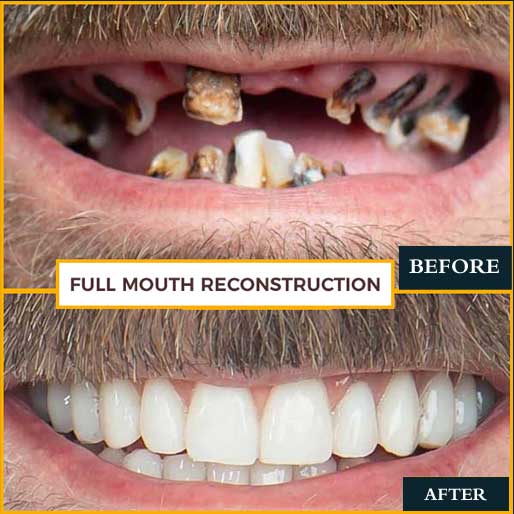
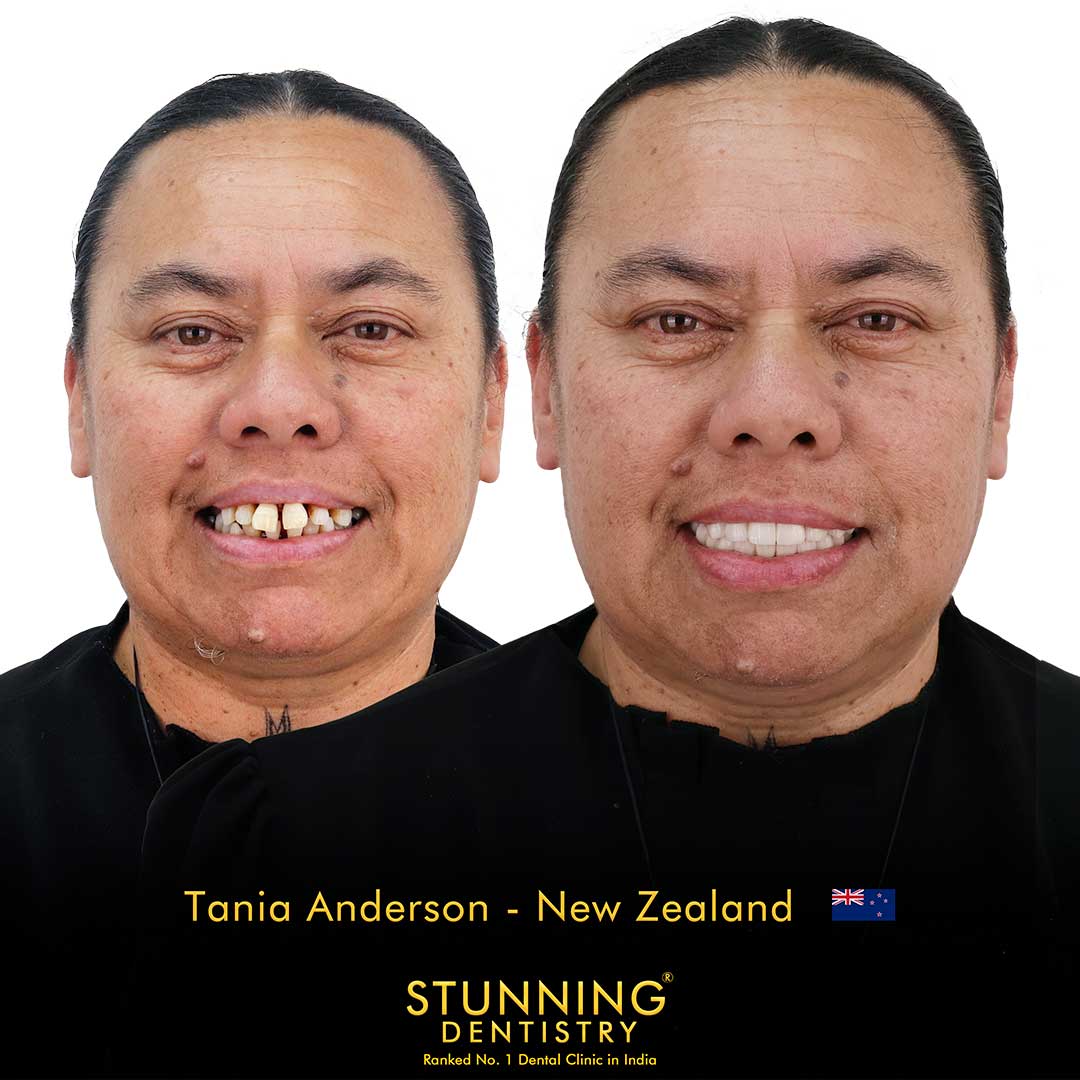
Clinical Outcomes
Over 150,000 patients seen and counting...
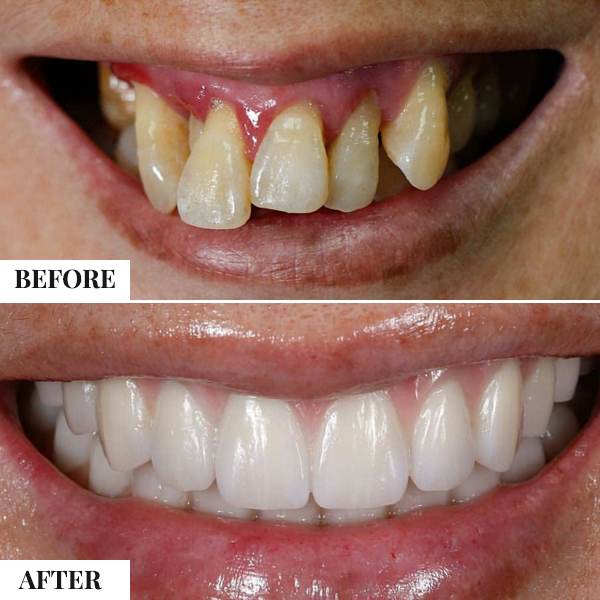
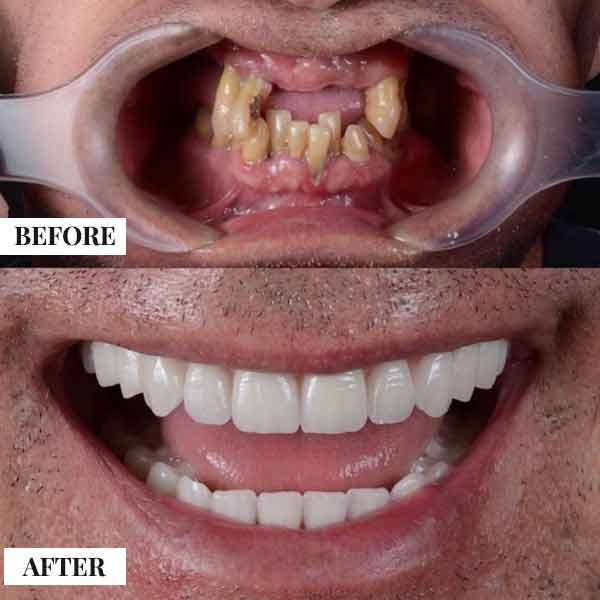
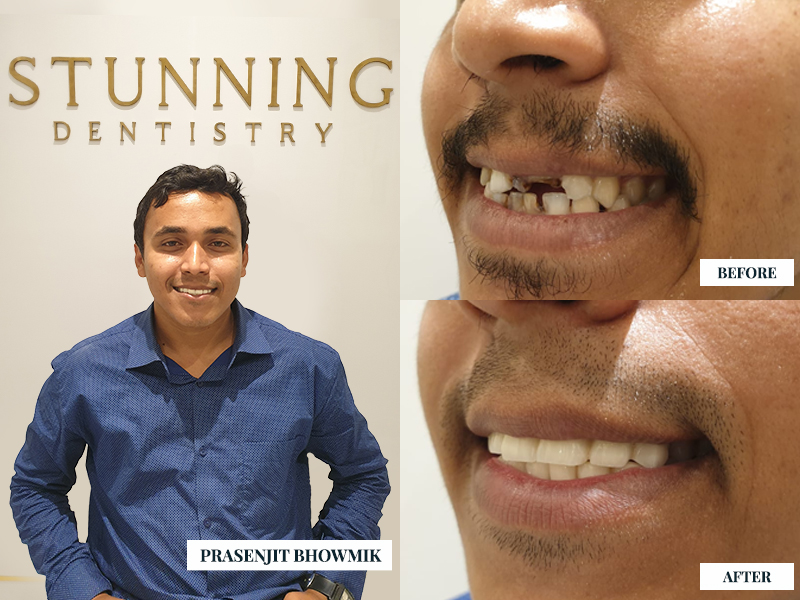
Real patient treatment journeys handled by specialist teams at Stunning Dentistry.
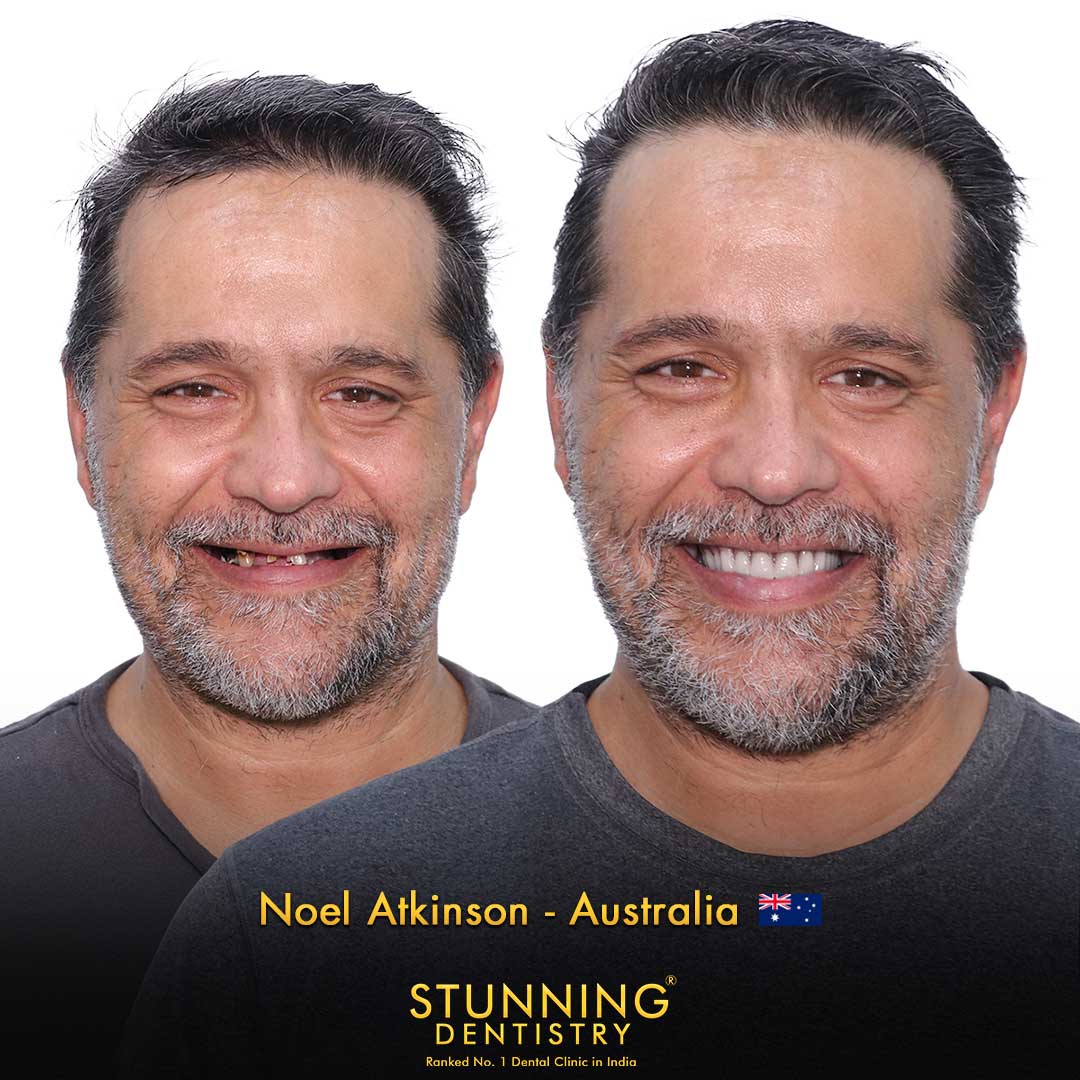

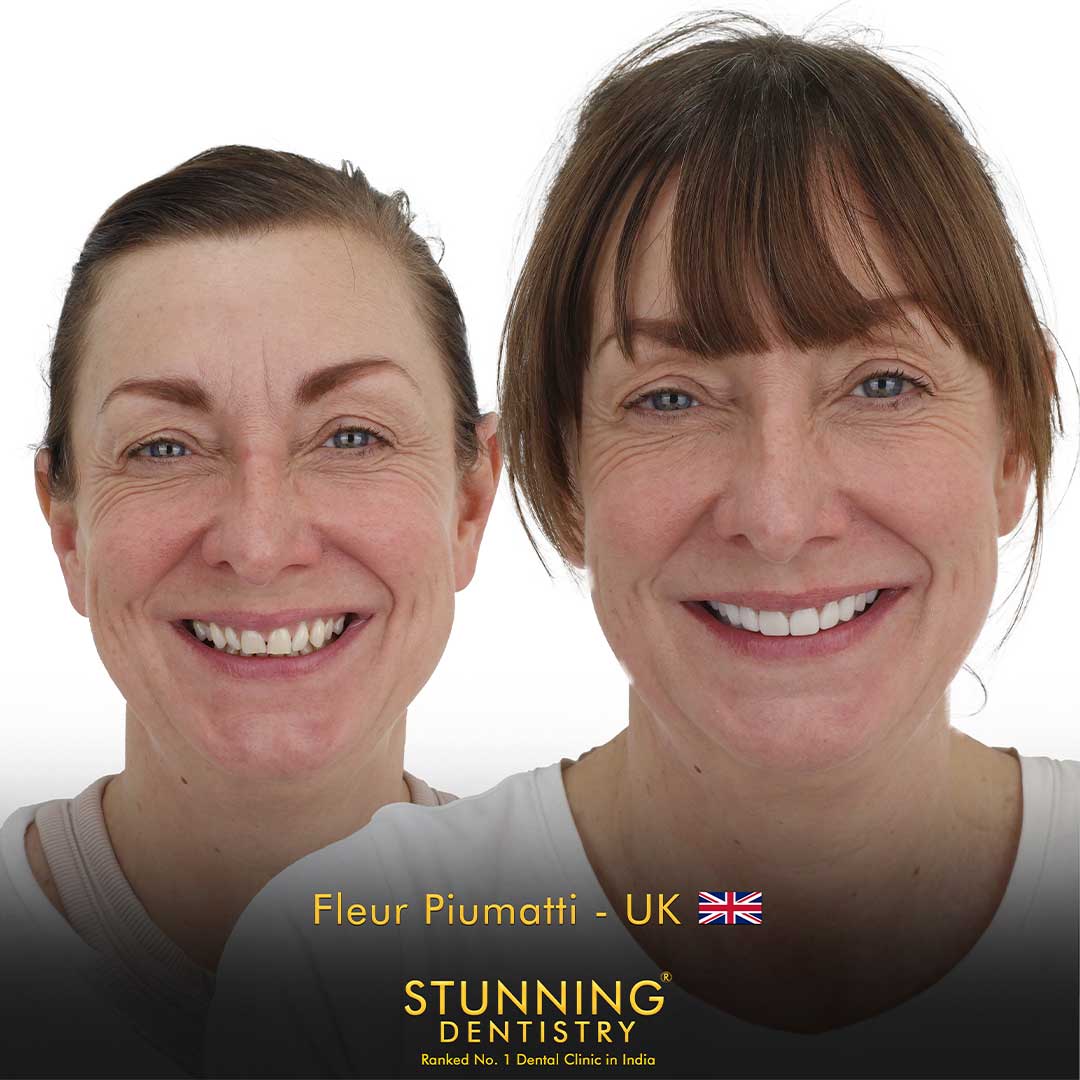
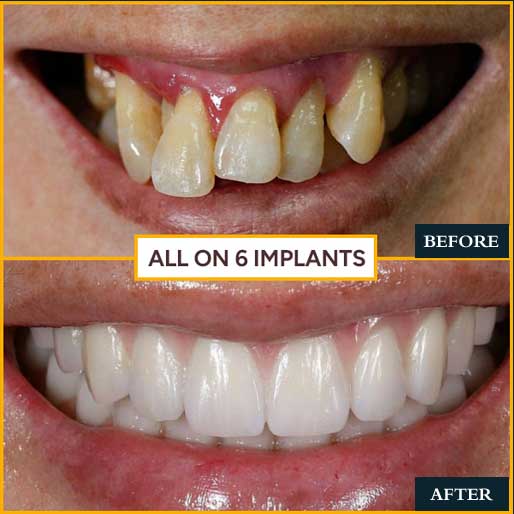 1 / 4
1 / 4Treatment: Porcelain Veneers
Duration: Approx 1 week
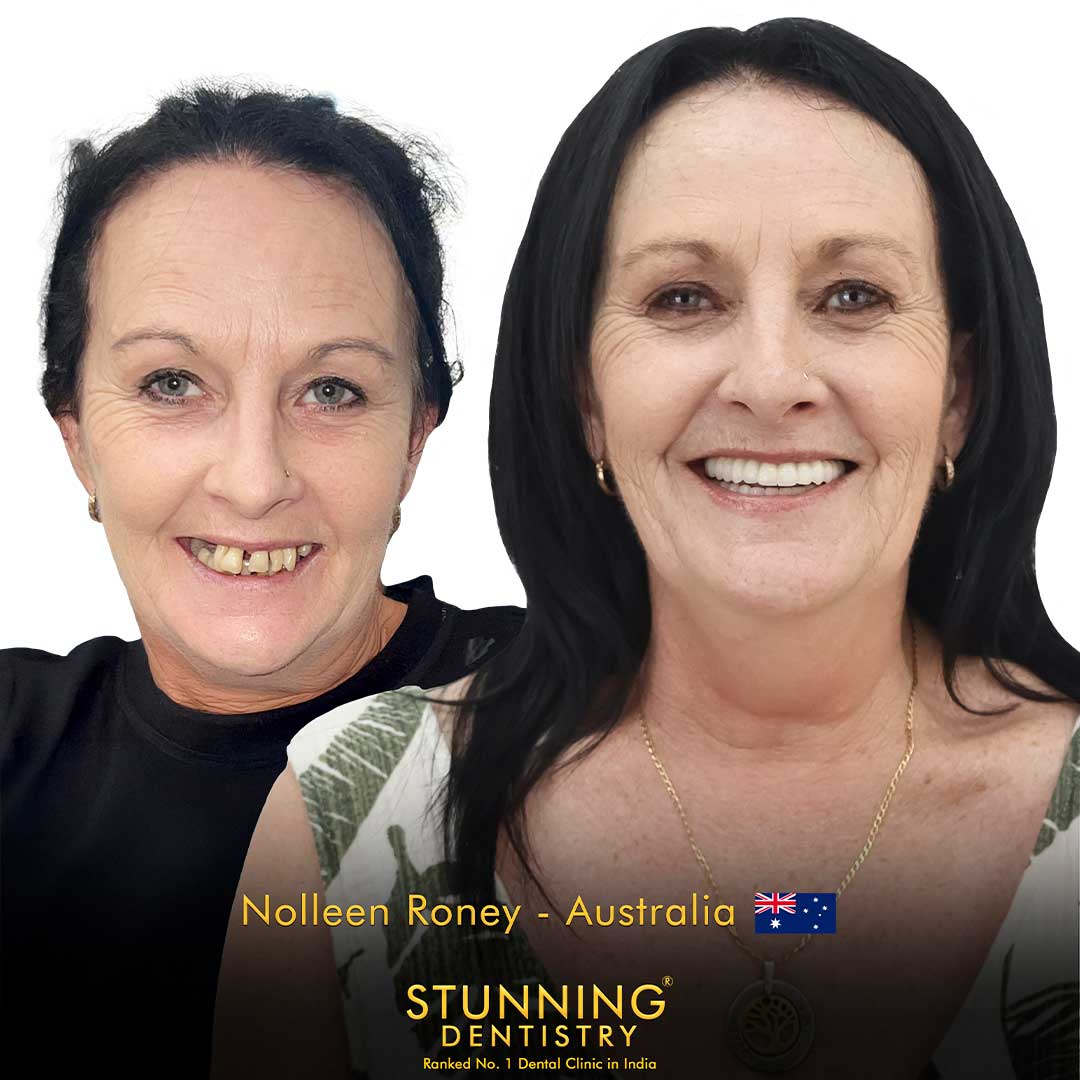
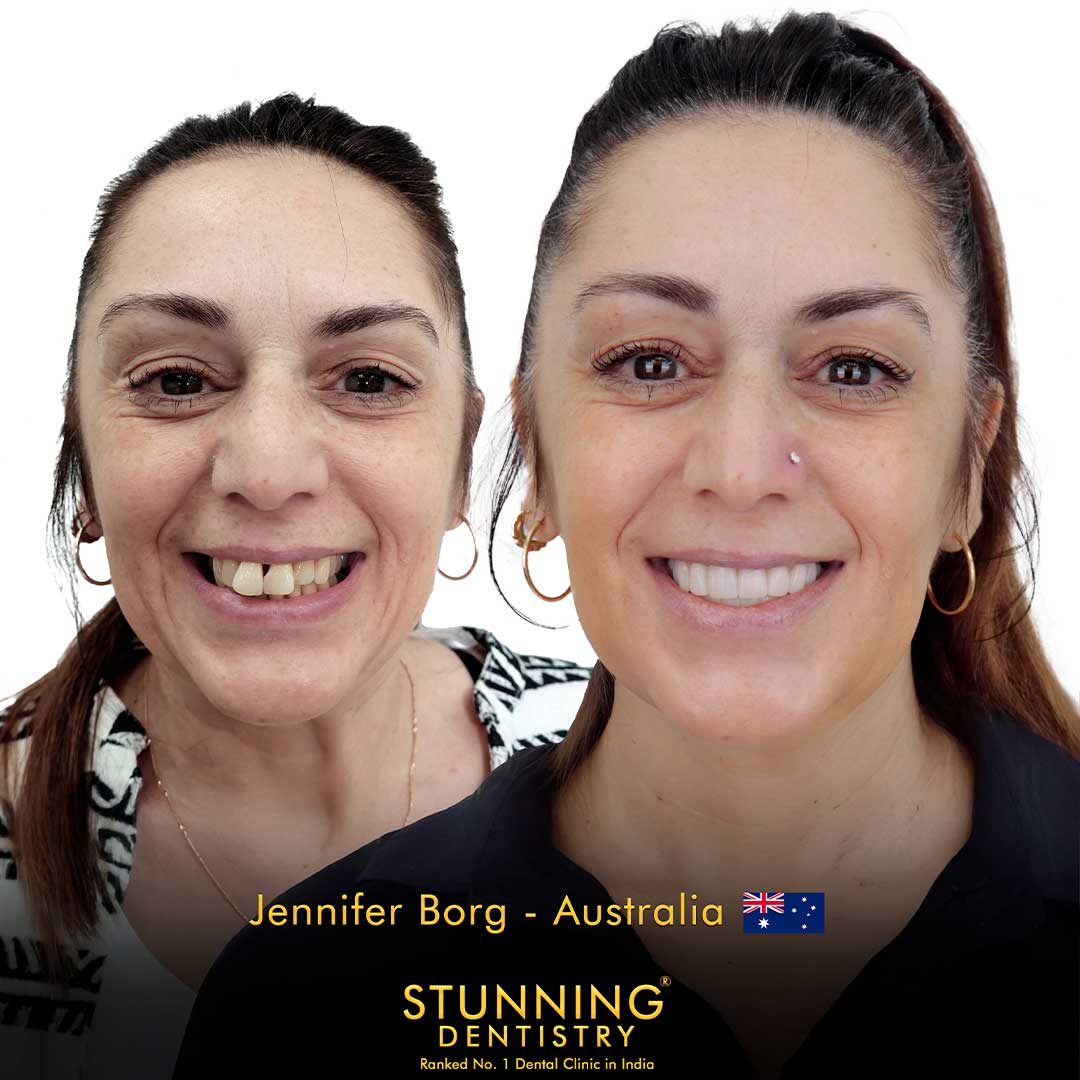
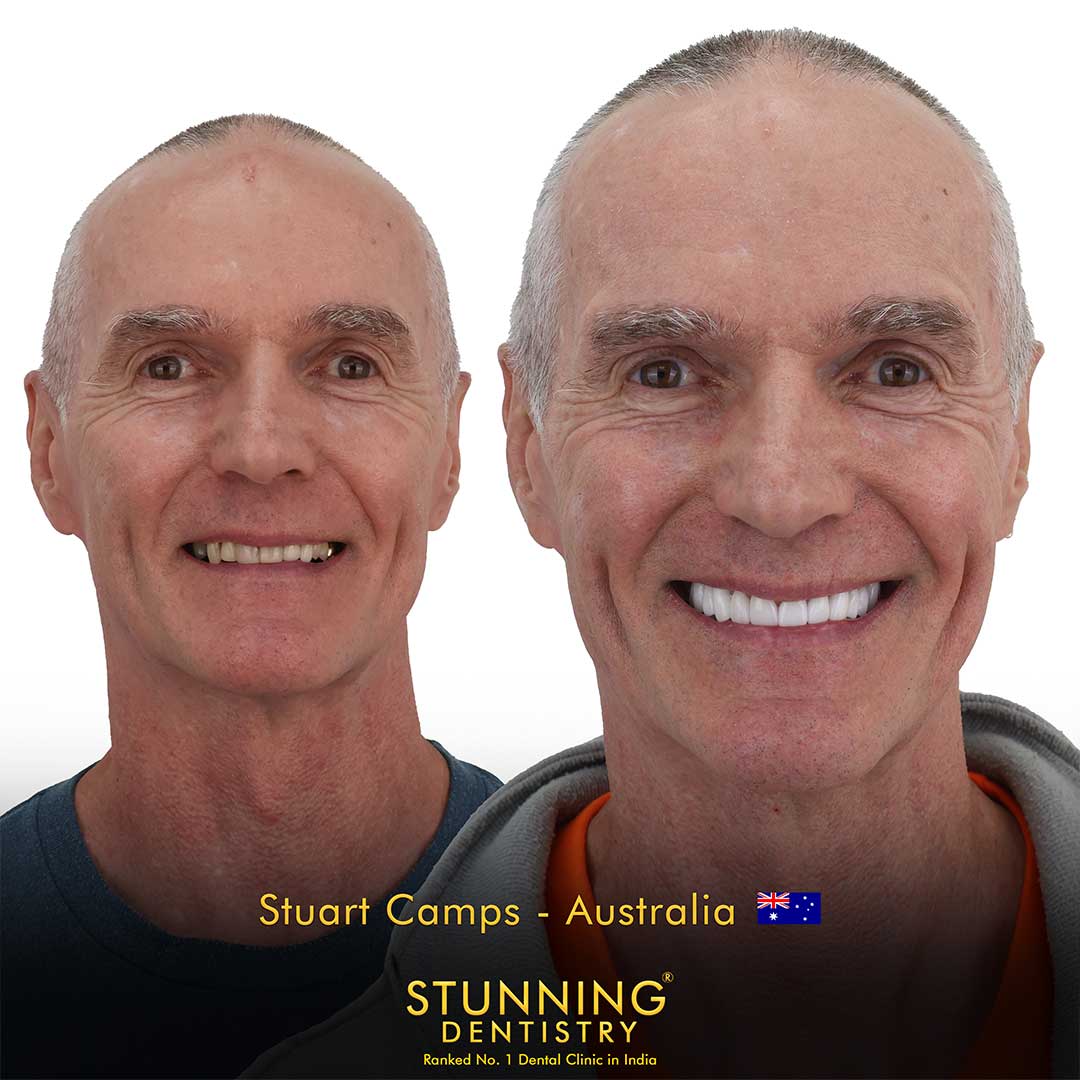
 1 / 4
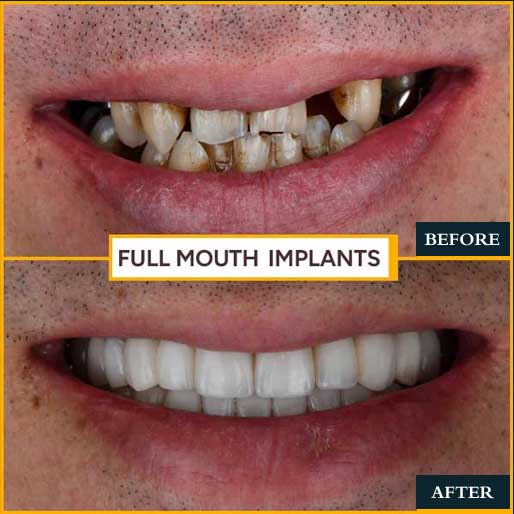
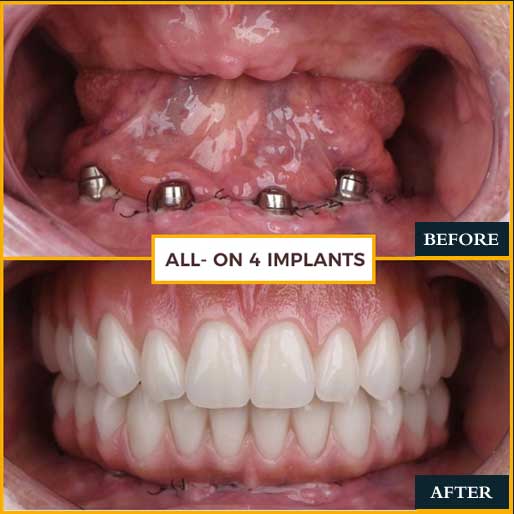
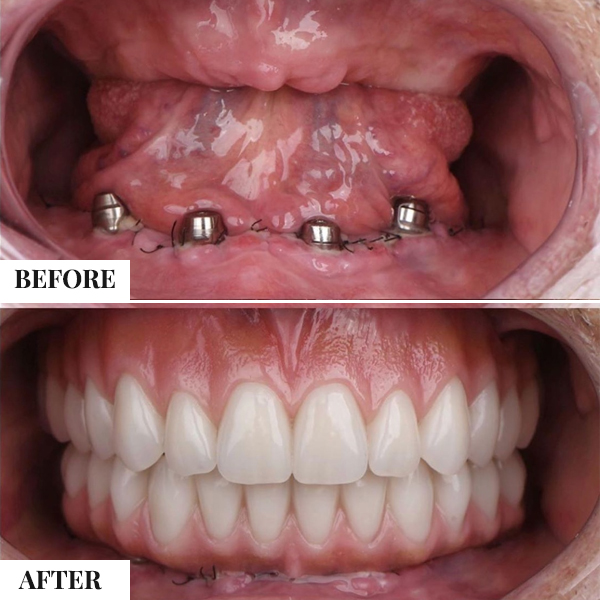
1 / 4Treatment: Full Mouth Rehabilitation
Duration: Approx 10 days
 1 / 4
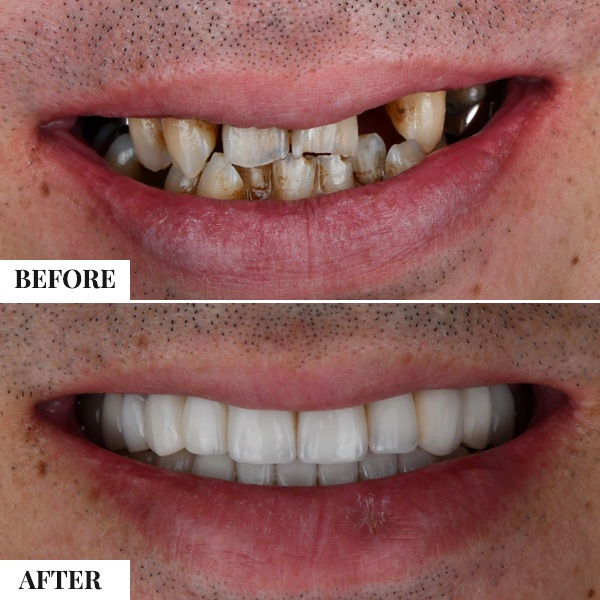
1 / 4Treatment: Smile Makeover
Duration: Approx 5 days
 1 / 4
1 / 4Treatment: Dental Implants
Duration: Approx 2 weeks
International Recognition
Awarded Best Dental Clinic in India 2023 / 2024
Accredited by


Featured in


Lifetime Warranty
On All Treatments
Price Match
Guaranteed

Excellence Summit Forbes India

Asia Healthcare Award

International Business Award

International Excellence Award